Botox used to be shorthand for frozen foreheads and cookie-cutter results. That reputation lingers in some corners, but it no longer reflects how most experienced injectors practice. The field has matured. Today’s medical aesthetics approach prizes restraint, precision, and personalization, with techniques that soften rather than erase, harmonize rather than standardize. Patients come in not only asking how many units they need, but how to protect their expressiveness, keep long-term balance, and avoid overcorrection. That is where the modern conversation lives.
I practice with the assumption that faces are ecosystems. Every muscle has neighbors and antagonists. Each syringe carries both potential and risk. Success depends as much on clinical judgment as it does on needle control. The innovations making a real difference right now are not flashy gadgets but better mapping, smarter microdosing, and clearer patient education. When those pieces line up, outcomes look like good sleep and less strain, not a new identity.
What has actually changed
The product is still onabotulinumtoxinA, but technique has evolved. Microdroplet patterns, layered dosing, and careful interplays between toxin and filler lead to subtle facial balance botox results that hold up under bright light and video. We lean harder on anatomy driven botox planning and muscle based botox planning, and less on fixed recipes. Dosage gets personalized, distribution gets strategic, and touch-ups become fine tuning botox results, not rescue missions. The focus has shifted from eliminating movement to curating it.
At the same time, we have better science. Botox efficacy studies and botox safety studies continue to refine what most of us built by experience: high satisfaction rates, predictable time to onset, a safety profile that compares favorably with many outpatient procedures, and a clear window of effect that averages three to four months for most areas. Those botox statistics match what I see day to day when technique and expectation management align.
The art and the plan
There is a tension in this work, artistry vs dosage botox. Dosing charts matter, but a chart cannot read micro-asymmetries or capture the way one brow strains to carry the other. A good injector watches the face at rest and in motion, from several angles, as the patient talks, frowns, and laughs. We look for diagonal pull, compensatory lift, and overactive units that dominate expression. Face mapping for botox is less about dot stickers and more about real-time observation. Patients often expect millimeter-perfect facial symmetry correction botox; nature rarely gives us a blank slate. We aim for facial harmony botox, not mirror-image perfection.
One example: the “11 lines” between the brows. Some patients treat those glabellar muscles aggressively and then wonder why the brows feel heavy. A more modern approach respects that the frontalis is a single sheet lifting both brows, and that the depressor complex pulls down from below. Small, strategically placed doses can calm the furrow without collapsing lift. The right balance opens the eyes and smooths vertical lines while preserving natural expression botox.
New territory: posture related neck botox and “phone neck”
The neck has entered the chat, and not only for platysmal bands. Prolonged device use has people noticing horizontal creases and a sense of tension at the base of the skull. While skincare and ergonomic changes matter, some patients benefit from what they colloquially call phone neck botox. In reality, we are using light dosing in the platysma and sometimes addressing trigger zones that contribute to a downward pull on the lower face. Posture related neck botox is not a cure for screen habits, but when done conservatively and tied to physio or mobility work, it can soften necklace lines and reduce the visual drag at the jawline.
A caution here: the neck is not a playground. Mistakes can affect swallowing or smile dynamics. This is a classic case where a conservative botox strategy and detailed anatomy knowledge protect the patient. I typically start with lower unit totals and add in micro adjustments botox style at a two-week review, rather than chasing instant results.
Facial balance, not “frozen”
The most frequent request I hear is, “I want to look like myself, just less tired.” Achieving facial balance botox means adjusting a few key vectors rather than relaxing every muscle in sight. A strong mentalis can bunch the chin and push the lower lip up; calming it slightly smooths the pebbling and lets the mouth sit more naturally. Upturned outer brows can look sharp or even surprised; softening the lateral frontalis can bring them back to a neutral line. Small moves in multiple zones build facial harmony without broadcasting “I had something done.”
Microbotox, sometimes called baby dosing, often helps. Instead of consolidating units into a single depot in the forehead, we distribute tiny aliquots that diffuse predictably. The result creates an expressive face botox outcome, where you can still raise your brows to signal surprise, just with softer lines. Patients tend to maintain better control of social cues, which matters in the real world of meetings, dates, and FaceTime calls.
Myths, hype, and where the science sits
Botox myths social media cycles every few months. A popular rumor claims toxins “stretch out” muscles permanently. That is not how it works. Repeated relaxation can reduce hypertrophy, so overused muscles slim, especially in areas like the masseter. But when you stop, function returns as junctions regenerate. Another falsehood: dilution level equals “weak” or “strong” Botox. The truth is more nuanced. The final effect depends on dose in units delivered to the tissue and technique. Reconstitution volumes mainly influence spread and injector preference. The botox reconstitution explanation rarely fits into a caption, which is why botox misinformation travels faster than corrections.
For skeptics, botox explained scientifically centers on a reversible blockade of acetylcholine release at the neuromuscular junction, with a typical return of function as axonal sprouting occurs. Onset averages three to seven days, peak at two weeks, and a tail that varies with muscle mass, metabolism, and dose. Botox safety studies and decades of clinical use support a favorable profile when administered by trained professionals who follow botox treatment safety protocols.
The ethics in aesthetics
The botox ethical debate often polarizes, but in practice it is about honesty, restraint, and identity. Some patients worry that injections signal insecurity. Others describe botox empowerment discussion themes: looking like themselves on a good day, wearing less concealer, feeling more at ease. Both views deserve respect. My job is not to define beauty standards. It is to provide informed consent botox, set realistic outcome counseling, and make sure patients understand trade-offs.
Cosmetic procedures and mental health intersect here. Patients with body dysmorphic concerns or perfectionist fixation need gentle redirection or a referral, not more units. The botox and self image conversation benefits from pausing to ask why. When the goal is congruent with the patient’s values, the work becomes about subtle facial enhancement botox rather than chasing an idealized template from social media.
Trends that matter, and a few that do not
Botox trends ebb. Some fads, like “lip flip everywhere,” overpromise. A lip flip softens the orbicularis oris to roll the upper lip slightly outward. It works for a subset with a thin upper lip and strong curl, but too much and you compromise straw use or enunciation. Other trends pay off. Treating the depressor anguli oris in selected patients lifts a downturn at the corners of the mouth without filler. Using a whisper of toxin in the nasal tip can soften a dynamic droop on smiling, again carefully dosed.
The most impactful trend, though, is botox customization importance. Personalized aesthetic injections respect that the right brow position for a copywriter differs from a fitness trainer who cues clients with facial expressions all day. That nuance does more for patient satisfaction than any viral “before and after.”
Safety is a system, not a slogan
When clinics get busy, small shortcuts tempt. Skip them and you reduce risk. Sterile technique botox is non-negotiable: clean hands, clean skin, single-use needles, and no cross-contamination. Quality control botox extends to confirming vial integrity, checking lot numbers, and minding botox storage handling. Toxin should live in a medical-grade refrigerator, not a break-room unit, with temperature logs to prevent freezing or overheating. Vials have a labeled shelf life after reconstitution; respect it. Botox shelf life discussion might sound boring, yet it directly affects consistency.
The other side of safety is mapping danger zones. The brow’s lateral third is where over-treatment drops lids. The perioral area risks smile disturbance. The neck holds swallowing muscles you want to avoid. An injector’s confidence should come from repetition and caution, not bravado.
Planning the journey: conservative, advanced, sustainable
Patients often ask about a botox routine maintenance schedule. I prefer building a long-term plan that integrates aging gracefully rather than arresting it. The cadence can vary. Some come quarterly, others keep results with two or three visits a year once we find their sweet spot. Balancing botox with aging means letting some lines stay and saving full relaxation for areas that overcommunicate stress or fatigue. This is the botox moderation philosophy, and it protects identity while keeping options open as features evolve.
Athletes and those with strong metabolism may burn through effects faster. Heavier muscles like the masseter need more units for consistent results than the glabella. Hormonal shifts and stress change patterns too. A plan that works at 28 might need revisiting at 38, and again after 45. Advanced botox planning anticipates these shifts and keeps room for filler, energy-based devices, or skincare as needed.
How I structure a first visit
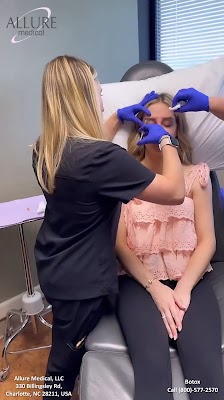
Most people want a roadmap, not a lecture. We start with facial analysis botox, looking at rest and expression from the forehead to the neck. I ask what bothers them, then I mirror back what I see, including features I would leave alone. We discuss risks and likely outcomes, using botox myths vs reality to defuse expectations shaped by influencers or friends. Then we outline a sequence: small test doses in priority areas, a two-week check, and adjustments. This trial and feedback loop builds trust and supports patient provider communication botox goals.
Expect that the first session focuses on learning your unique response. The second visit is where micro adjustments lock in. After that, we settle into a cadence. The process should feel collaborative and transparent, a botox transparency approach that makes space for questions and trade-offs.
A quick, practical checklist for decision-making
- Clarify the single feature that bothers you most before you book. A tight brief leads to targeted dosing and clean results. Ask your injector about their plan to preserve expression. The how matters as much as the how much. Review photos at rest and mid-expression. You should see softened patterns, not wiped-out movement. Confirm safety basics: sterile technique, storage standards, and a two-week follow-up. Start small when trying a new area, then build. Overcorrection takes time to unwind.
Reconstitution and dosage accuracy, without the jargon
Patients overhear talk about dilution myths and assume someone is gaming the system. In practice, botox dosage accuracy comes from total units delivered into a specific muscle, not how many milliliters of saline were used to reconstitute the vial. Different injectors prefer different volumes because it changes the feel and micro-spread. Think of it like espresso strength versus pour-over, both can deliver the same caffeine. The key is measured units per site and a map that respects the muscle’s architecture.
Precision botox injections come from consistent needle angles, stable hands, and the discipline to place small volumes at multiple depths where appropriate. Ultrasound guidance is gaining ground in complex areas and for therapeutic work, but in aesthetics most placements rely on palpable landmarks and experience. When results vary, it is usually about muscle strength, metabolism, or the initial plan, not magic in the syringe.
The cultural moment: popularity, pressure, and perspective
Botox popularity continues to climb across age groups. Millennials often frame it as maintenance, a way to keep deep creases from setting. Gen Z approaches with caution but curiosity, shaped by botox social media impact that glorifies baby-smooth skin. Cultural perceptions shift regionally, but botox normalization is real. It shows up in office banter and casual brunch talk in a way fillers do not.
This visibility has upsides and downsides. Normalization helps with botox education importance and earlier consultations that prevent over-treatment. It also fuels botox beauty standards that can pressure people into treating features that never bothered them. The best antidote is a grounded consult: patient education botox that presents options and alternatives, including the decision not to treat. Botox personal choice discussion beats a sales cosmetic botox Charlotte NC pitch every time.
A brief clinical example: the asymmetric brow
A common request is facial symmetry correction botox for an uneven brow. We evaluate whether the asymmetry is skeletal, soft tissue, or muscular. If one side’s frontalis is stronger, we relax that side slightly more while protecting the weaker side. We might also address a more active corrugator on the opposite side. The goal is facial balance, not perfect alignment. Most patients prefer a natural arc with equal light to the eyes, even if one tail sits a millimeter higher. I warn that phones and front cameras exaggerate small differences; real-life observers rarely notice. Set that expectation, and satisfaction goes up.
Aftercare and upkeep that actually help
Post injection instructions used to sound like superstition. The evidence-backed essentials are simple: avoid rubbing or pressing the treated area for the first few hours, keep your head upright for a few hours if we worked near the eyes or forehead, and skip intense exercise for the rest of the day. NSAIDs are fine if you bruise easily, though arnica or bromelain get more love than data. Small bumps at injection points resolve within an hour or two. Full effect settles by day 14. Plan your follow-up then, not sooner.
For longer-term care, a botox upkeep strategy means treating on a schedule that suits your muscles, not the calendar. Many faces hold the glabella and crows to 3 or 4 months while the forehead wants a lighter touch every 3 months to keep lift. Flexibility beats rigid cycles.
A realistic preparation checklist
- Photograph your face in neutral light at rest and while frowning, smiling, and raising brows. Bring those to your consult. List past treatments, dates, and typical duration. Patterns guide planning. Note any big events in the next month. You want your peak result about two weeks before cameras. Eat and hydrate as normal; no need to fast. Avoid blood-thinners if your physician agrees, but do not stop prescriptions without medical advice. Wear minimal makeup. Clean skin makes prep faster and reduces contamination risk.
The long view: future directions and smart restraint
The future of botox is not a new molecule magically erasing risk. It is better pairing with other modalities, more refined mapping, and continued botox research into duration and diffusion characteristics. Longer-acting toxins are in play in botox clinical studies, and early reports suggest a subset of patients may enjoy extended intervals between visits. That will not replace judgment. A six-month effect is only an upgrade if the expression remains natural over that entire period.
What does endure is a mindset. Avoiding overdone botox is easier when the plan centers on how you communicate with your face. Small vertical lines around the eyes may tell stories you value. Others, like a heavy glabellar scowl, send signals you do not intend. We adjust the latter while honoring the former. That is cosmetic enhancement balance, and it respects botox and identity in a way that holds up for years, not just weeks.
Practical notes on social acceptance and generational differences
In my chair, I see three broad attitudes. Some older patients frame injections as practical grooming, like hair color. Millennials talk about preventive care and career polish. Gen Z brings sharper questions about botox influence culture, with more interest in transparency and safety. The common ground is trust. Botox trust building emerges when clinicians admit uncertainty, share their rationale, and invite the patient into the plan. When a patient says, “I’m nervous,” the right response is not to sell harder. It is to slow down, lay out options, and sometimes suggest we wait.
When not to treat
A surprising mark of a good injector is how often they say no. If a patient requests a movement freeze that would impair their job or relationships, I push back. If someone cycles through providers chasing ever-higher brows, that is a red flag. If there is an active skin infection, a major event within 48 hours, or a history of atypical neuromuscular issues that needs a specialist’s input, we pause. Botox concerns explained upfront avoid drama later. The safest unit is the one you do not inject when the context is wrong.
Closing thoughts from the treatment room
The best compliment I hear comes months after a visit: “I felt like myself the whole time.” Modern botox techniques, from microdosing to careful face mapping, make that possible. Science backed botox anchors the work, but the difference between good and great comes from judgment, patient education, and a shared philosophy of moderation. Whether you are a skeptic, a beginner, or a seasoned patient, a clear plan and open communication make the process smoother, safer, and more human.
If you remember one thing, let it be this: your face is not a set of isolated parts. It is a living system that carries your stories, your habits, and your personality. Treat it that way, and the needle becomes a tool for refinement, not reinvention.